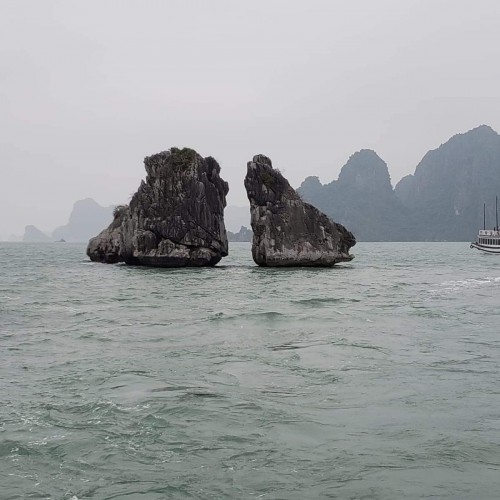
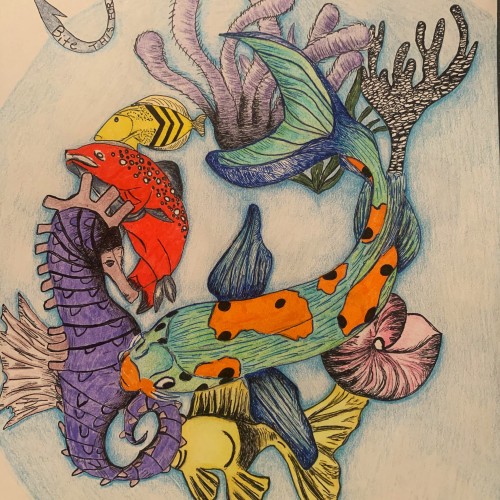
Ha Long Bay is a small bay on the west coast of the Gulf of Tonkin in the Northeastern Sea region of Vietnam, including the island waters of Ha Long city in Quang Ninh province.
Being the center of a large area with more or less similar elements in geology, geomorphology, landscape, climate and culture, with Bai Tu Long Bay in the northeast and Cat Ba archipelago in the southwest, Ha Long Bay is limited to an area of about 1,553 km², including 1,969 large and small islands, most of which are limestone islands, in which the core area of the bay has an area of 335 km² with a dense cluster of 775 islands. The tectonic history of the bay's limestone karst has spanned about 500 million years with very different paleo-geographical circumstances; and full karst evolution over 20 million years with a combination of factors such as thick limestone, hot and humid climate, and overall slow tectonic uplift. The combination of environment, climate, geology, geomorphology, has made Ha Long Bay become the convergence of biodiversity including tropical moist evergreen closed forest ecosystem and marine and coastal ecosystems. shoreline with many sub-ecosystems. 17 endemic plant species and about 60 endemic animal species have been discovered among thousands of flora and fauna inhabiting the bay.
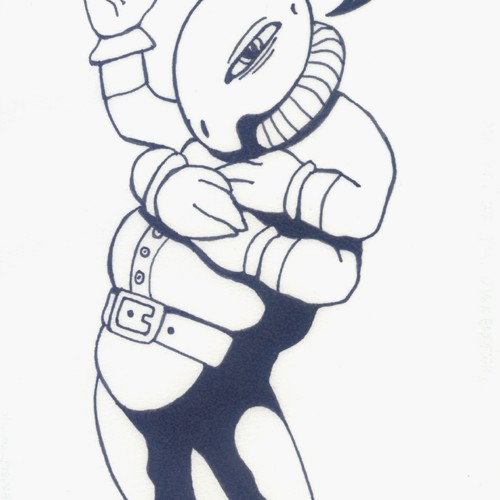
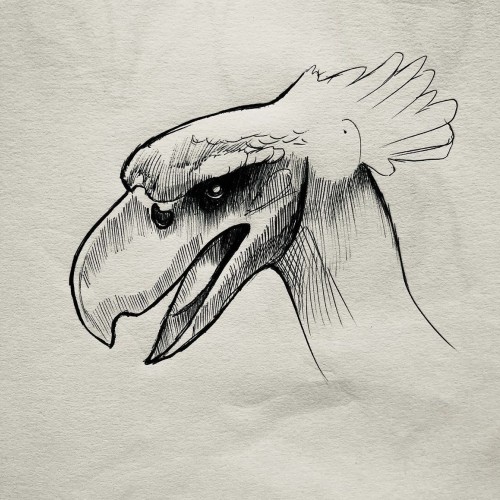
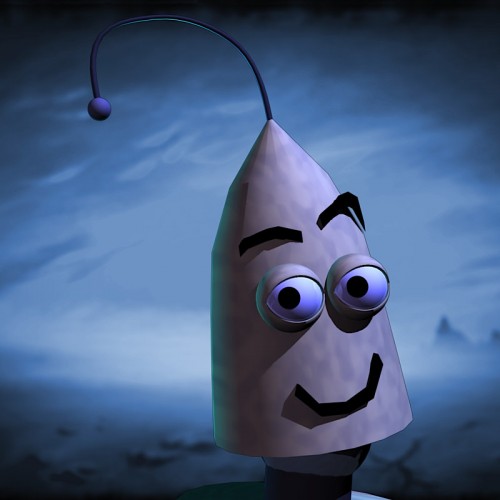
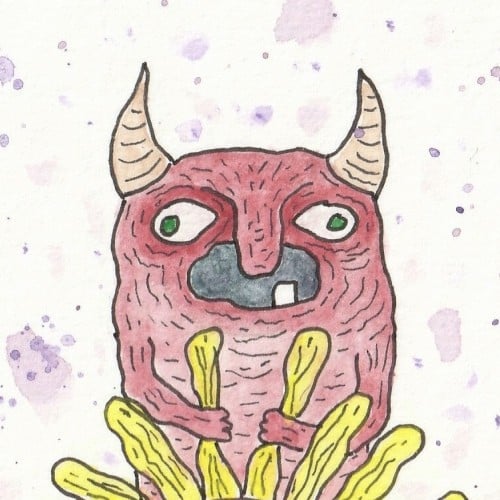
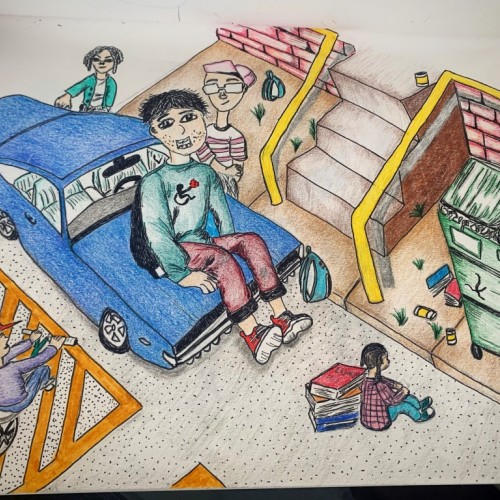
(Fineliner on 190mm x 120mm paper) This was one of the more larger pieces I did last year (and by large I mean just under A5). It depicts a friendly alien species who, having travelled light years across space, shared the fruits of their knowledge with us, and assimilated into human life as best they could, is still confronted with one of those age-old questions of ignorance.
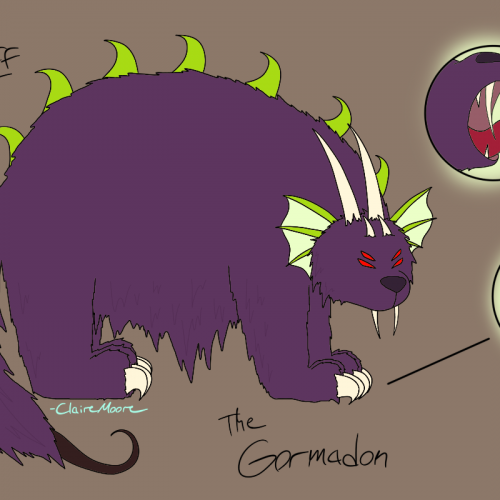
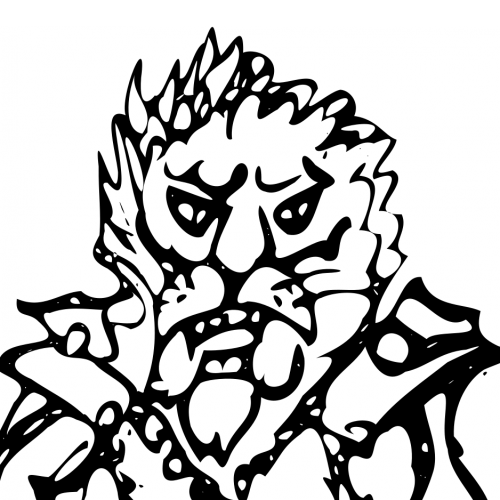
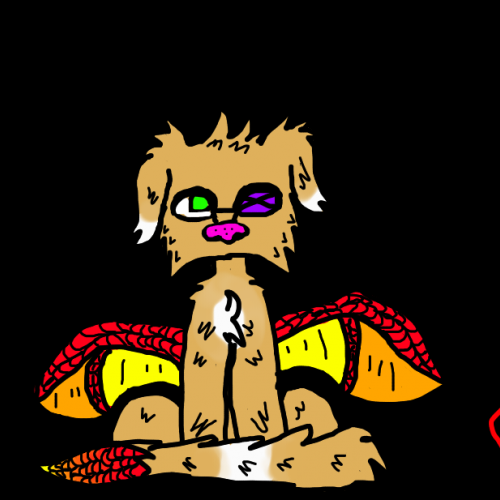
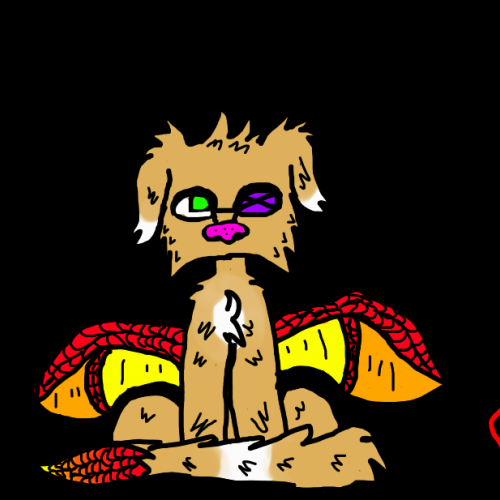
Claire here with another species I designed! This is a digital drawing of what I call a Gormadon. It's likeness is most like a bear, but it has spikes and frills kind of like a dragon or dinosaur. I imagine this species to be quite big if it were real. Perhaps about the size of an adult elephant. Thanks for checking it out and please drop a like if you liked it. *Please do not copy or claim this species as your own. It is not allowed in any circumstance*
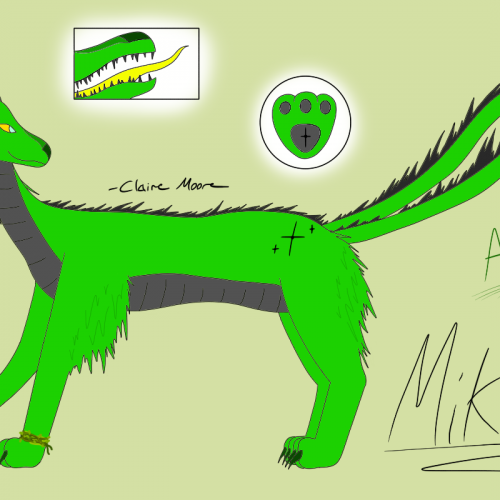
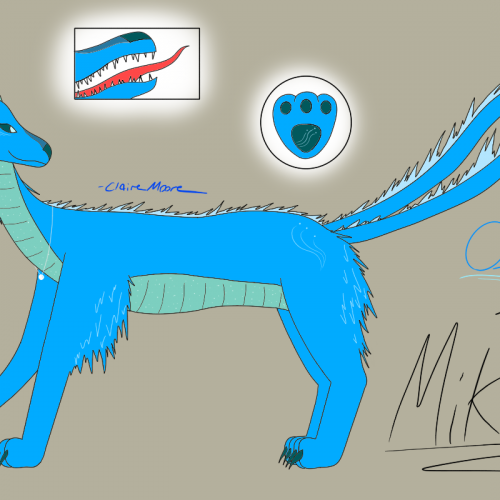
This is another base coloring of my Mikisu species. This particular color scheme was requested by a fellow doodle addict. Thank you for your suggestion and I hope you like it. ((Coping or claiming my species as one's own is not allowed.))
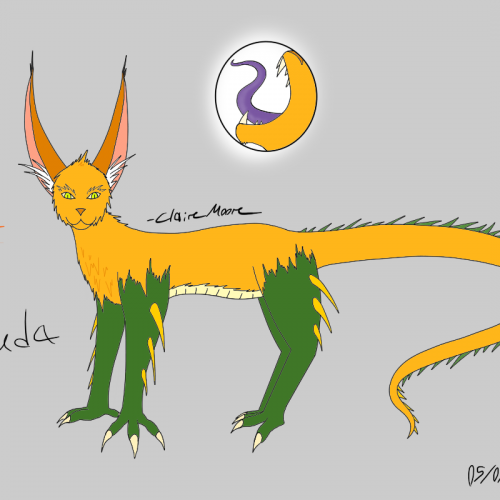
This is a digital drawing of another species I designed. Please do not use or claim the species as your own. I took great care creating this creature and I love it to bits. I made a base for this creature too, so if anyone has any color suggestions, I would love to hear them. Just drop a comment. Thanks so much and have a great day.
This is a digital drawing of a species I came up with. This is also my first attempt of making a base. I'm very pleased with how it turned out and I plan to only get better. Please do not use or claim the species as your own. I worked hard and all things I create are cherished and made with lots of care. Because I have a base, I'm open to color ideas. Please comment if there are any colors you would like to see on my Mikisu. Thank you!
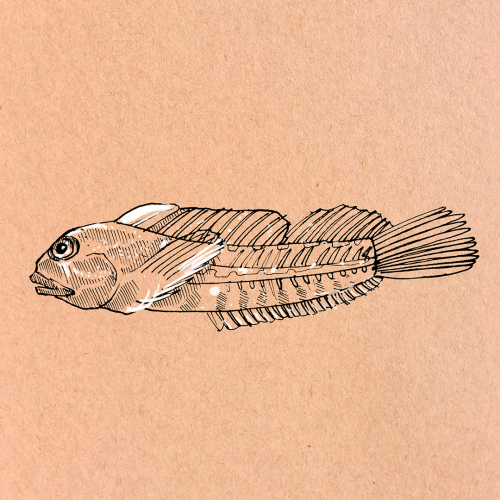
Coralliozetus clausus, a new species of chaenopsid blenny, endemic to Isla del Coco, Costa Rica. More like this on: https://www.instagram.com/camilojulianc/
I've been seeing lots of new bird species around my neighbourhood, like robins and magpies!
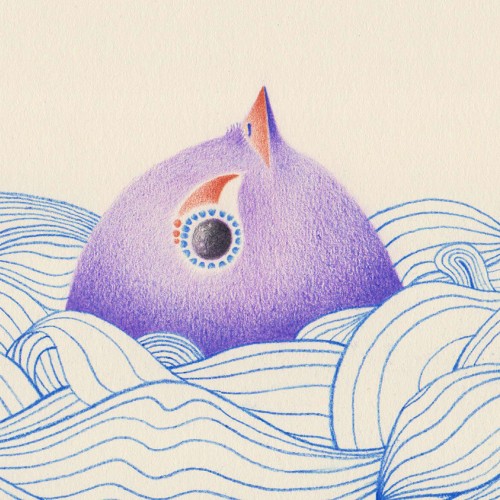
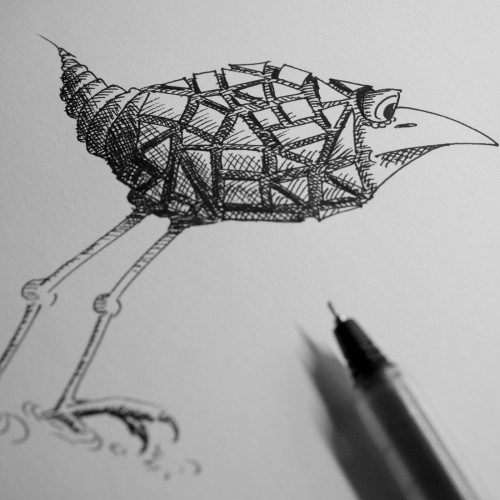
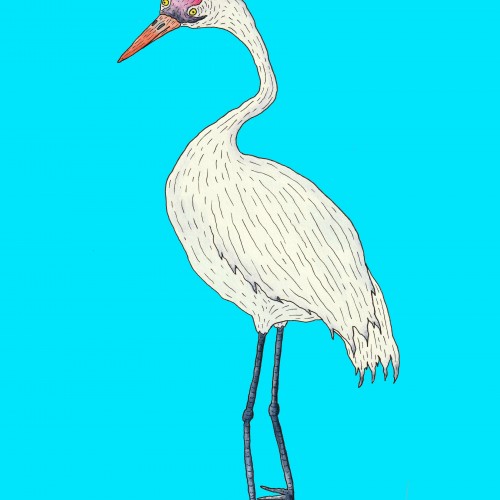
I like to think this bird is watching me from the sea of uncertainty, and looking at all the things I will create in the future and secretly telling me to go on, without me knowing how they will turn out. And strangely, that is some kind of motivation for me. : .
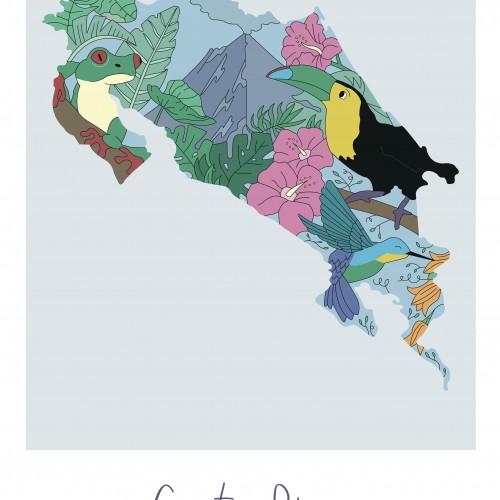
An illustrated map of Costa Rica featuring the Arenal Volcano with some of the country's most iconic wildlife species: toucan, tree frog, and hummingbird.
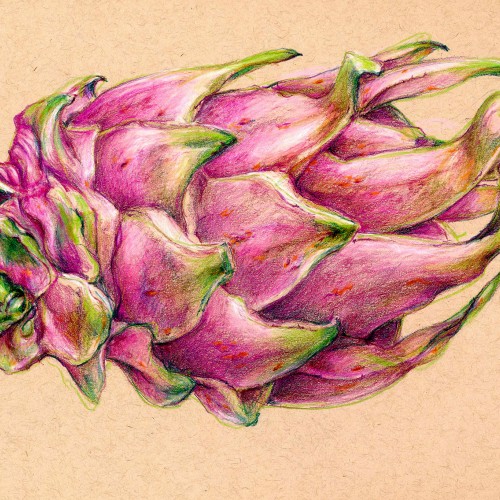
I asked my husband (who is our Covid-period grocery shopper as I am high risk) to bring home a fruit to draw. He came home with a dragon fruit. For those who don't know this interesting edible, it's from a cactus. There are two species: the Asian species is white inside, the Central American variety is shocking pink (see photo). Great in smoothies or when nicely ripe (as this one was) it's tasty eaten out of the skin with a spoon.
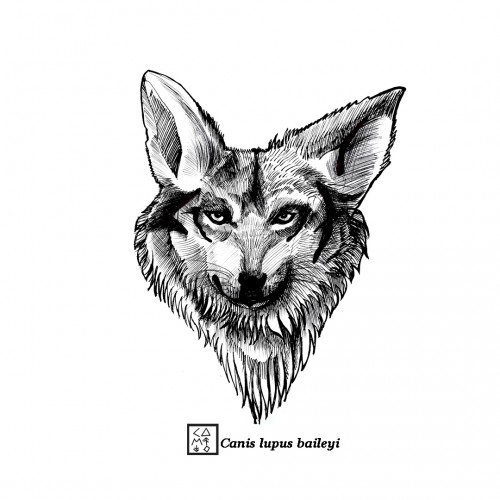
The Mexican wolf (Canis lupus baileyi) is a subspecies of gray wolf once native to southeastern Arizona, southern New Mexico, western Texas and northern Mexico. Its ancestors were likely the first gray wolves to enter North America after the extinction of the Beringian wolf, as indicated by its southern range and basal physical and genetic characteristics. More like this on: https://www.instagram.com/camilojulianc/
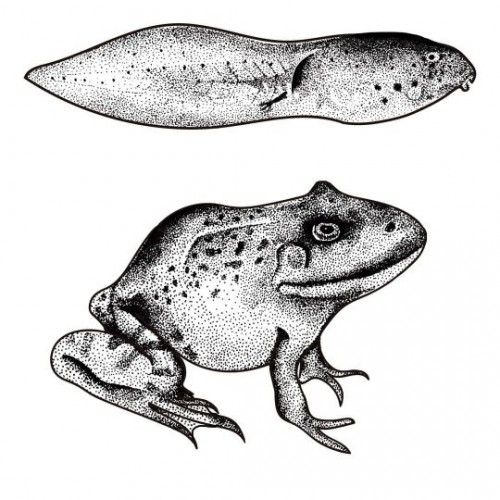
The American bullfrog, Lithobates catesbeianus. A tadpole and an adult. The species is a highly adaptable generalist and it has been introduced to all continents. More like this on: https://www.instagram.com/camilojulianc/
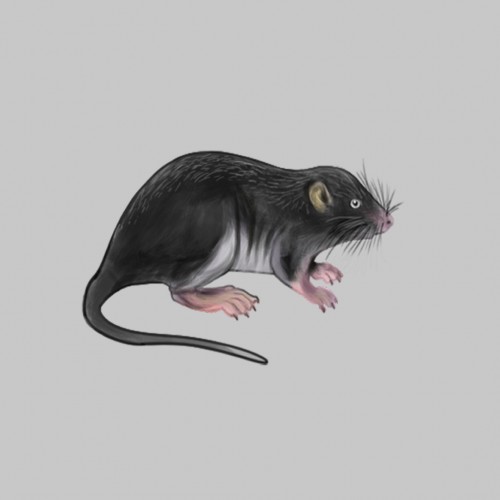
The Mexican water mouse (Rheomys mexicanus) is a species found exclusively in the state of Oaxaca. More like this on: https://www.instagram.com/camilojulianc/
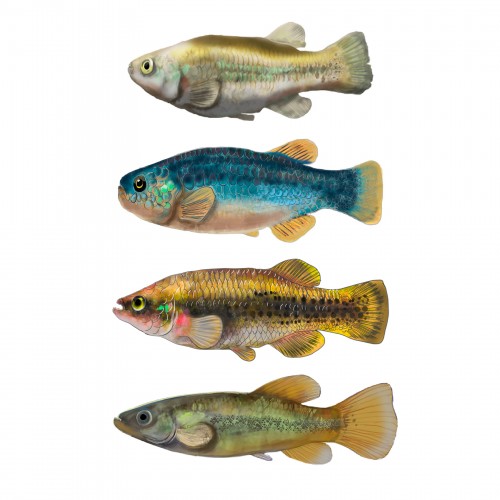
The Middle American killifish genus Profundulus occurs in most Pacific and Atlantic drainages from the Mexican state of Guerrero to the Chamelecón River in Honduras, with highest species diversity in southern Mexico. Digital painting. Genus Profundulus: P. parentiae (top), P. mixtlanensis (blue predator), P. oaxacae (mostly dark spots) y P. balsanus (below). More like this on my IG page: https://www.instagram.com/camilojulianc/
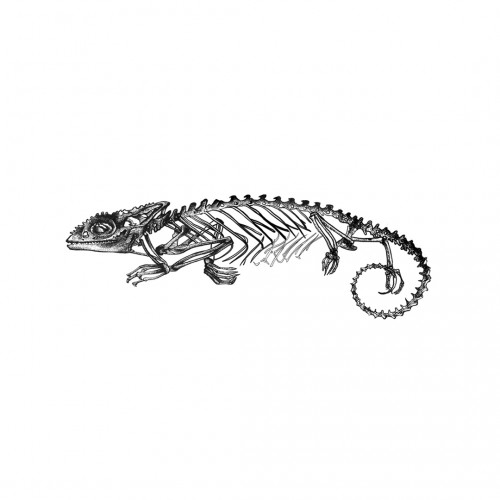
The Seychelles Tiger Chameleon, is the only species in the resurrected genus Archaius. It is listed as Endangered on the IUCN Red List of Threatened Species. More like this on: https://www.instagram.com/camilojulianc/
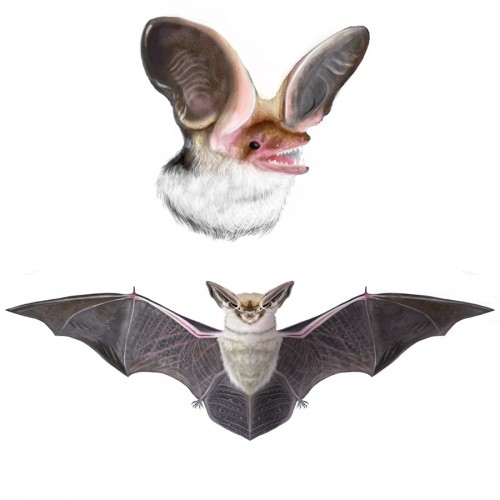
Big-eared Brown Bat (Histiotus macrotus). Hybrid technique (digital enhanced watercolor). This species has large dark ears. The dorsal hairs are strongly bicolored, with black or dark brown bases and yellow tips. Some authors consider that H. macrotus is distributed only in Chile and Argentina. More like this on IG: https://www.instagram.com/camilojulianc/
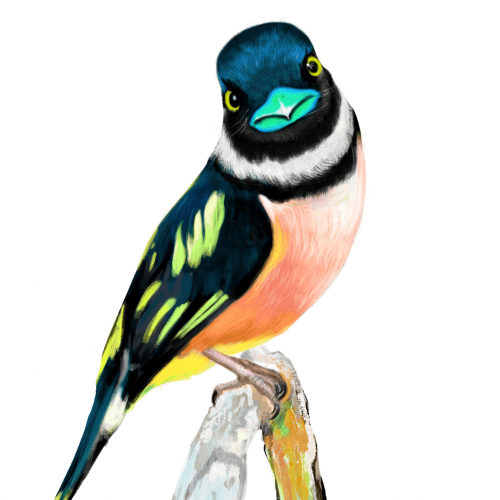
The Black-and-yellow Broadbill (Eurylaimus ochromalus) is a species of bird in the Eurylaimidae family. It is found in Brunei, Indonesia, Malaysia, Myanmar, Singapore, and Thailand. Reference: @hokduan. More like this on: https://www.instagram.com/camilojulianc/
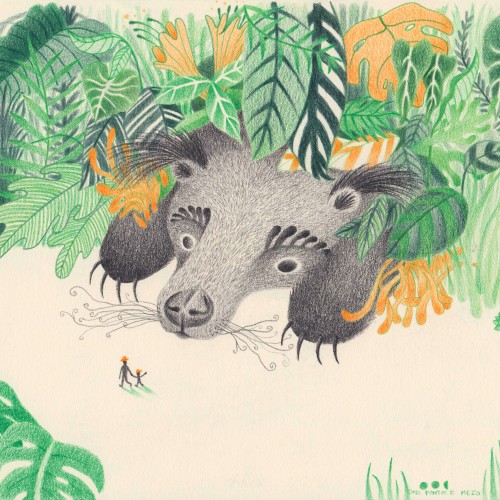
Binturong, a fluffy animal with even fluffier ears. Really mysterious if you ask me. I made a small comic of this, you can see more on Instagram.
On a more serious note, binturongs are fascinating and also a vulnerable species, with a decreasing population (acording to the IUCN redlist).
You can learn more about them through @abconservation.
:.
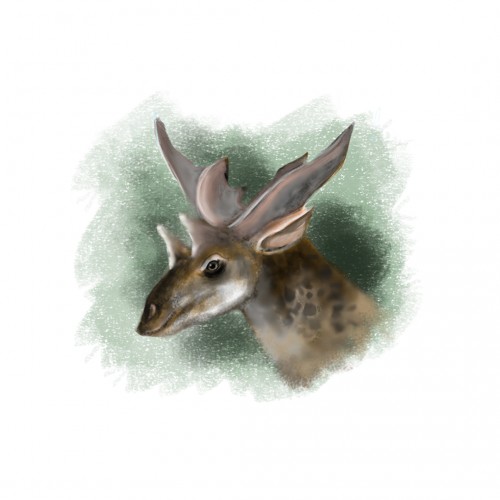
Paleoart is a branch of scientific illustration that reconstructs the real-life appearance of extinct animals and plants. It was a term coined in 1987 by Mark Hallet. This a Sivatherium portrait. The species
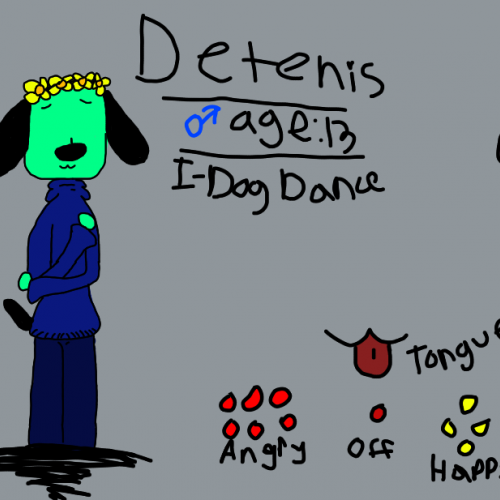
Remember to credit me when you make this and ASK if you can! If you don't ask me your work will be taken down (This is just temporary to see where the species is going) And yes, there back is covered in scales (I will have to work on a ref) There ears are always flopped, never pointed. NO SPECIES INSPIRATION! NO MIXING WITH MY SPECIES! This is my first species so I want to monitor it. This is an f2u species not p2u so just ask me. If too many rules are broken by too many people, this species will be closed. If you have any questions just ask in the comments and I will get to them as soon as I can! Love y'all!