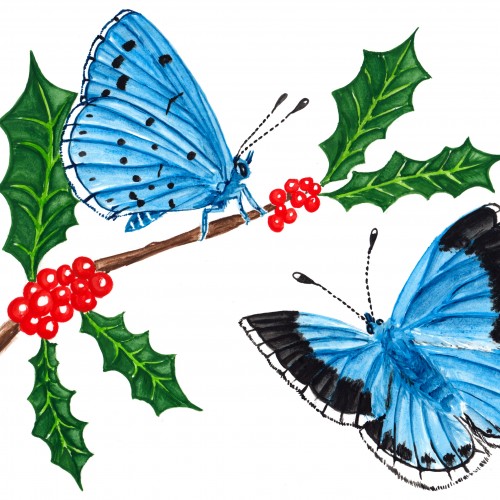
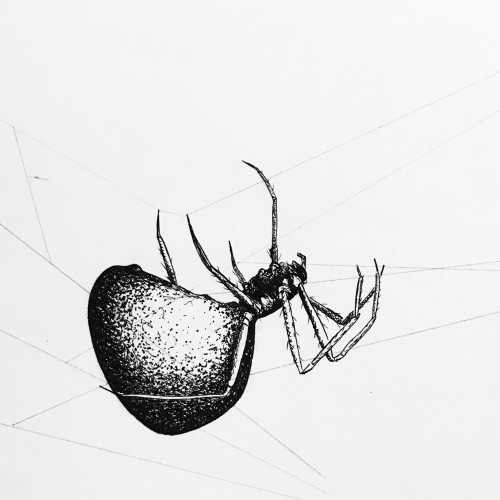
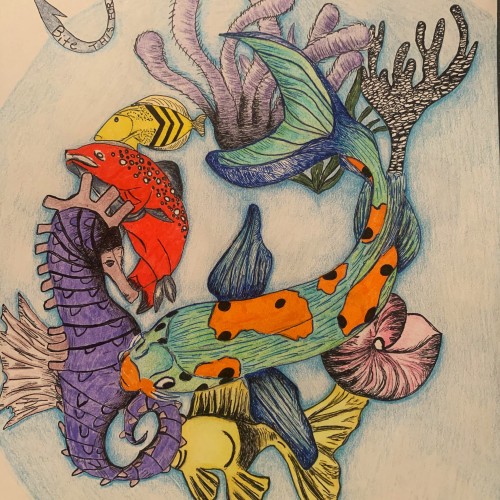
butterflies # ????? : two holly blues. This was a hard one and worthy of an art block
with top and bottom wings distinguishing the species, composition and pose was almost impossible. Cue two of the Holly Blues! :)
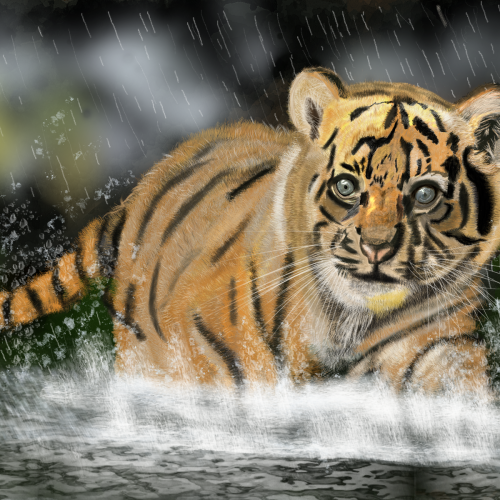
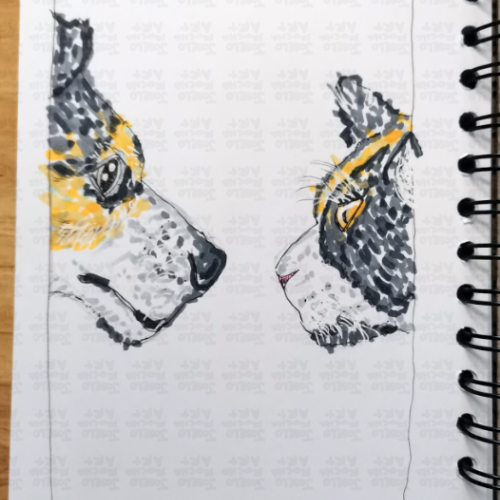
I've been going through my sketches, both completed and incomplete, and found a drawing of a young Sumatran Tiger that I began working on around two years ago, but never completed. I'm actually relieved that I didn't draw it earlier, as it has allowed me to gain more experience in illustrating this stunning creature, which is unfortunately a species at risk of extinction.
A few facts about the Sumatran Tigers...
The Sumatran tiger Panthera tigris sumatrae*, the smallest tiger subspecies, is critically endangered and stands as the final surviving species of island tigers. Poaching poses a significant danger to Sumatran tigers as hunters target them for their skin, bones, and canines. Additionally, habitat loss caused by oil palm, coffee, and acacia plantations, further endangers these big cats by reducing their prey availability and pushing them closer to human habitations.
It is estimated that there are fewer than 400 mature individual tigers in Sumatra in isolated pockets of protected land. Three of the protected areas are classified as UNESCO World Heritage Sites but all are in danger of losing this status due to threats from poaching, illegal logging, agricultural encroachment, and planned road building. It is for these reasons the Sumatran tiger is classified in the most severe IUCN status: Critically endangered.
Description: The Sumatran tiger is the smallest and darkest tiger subspecies and tends to be more bearded and maned than the other subspecies. Male tigers can expect to reach somewhere in the region of 120kg and 8ft from head to tail vs females who average 91kg and 7ft length.
Breeding: Female tigers are sexually mature at about 3 or 4 years of age, and males at about 4 to 5 years. Mating may occur any time during the year, but it most frequently takes place from November to April. The information was obtained from conservewildcats.org. Thank you.
#indonesia #criticallyendangered #sumatrantiger #amateurartist #tigerdrawing #tigersketch #tigercub #sketchadayapp #october2024
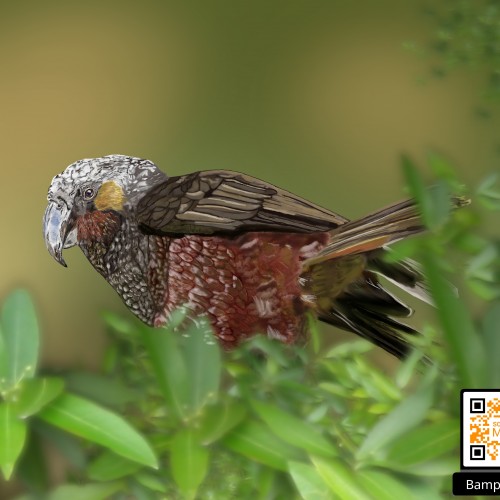
Endangered Species New Zealand Kaka... A large olive-brown forest parrot with grey-white crown, bright red-orange underwing and deep crimson belly and under-tail coverts. Males have a noticeably longer and deeper upper mandible and bigger head than females which is apparent when the two are seen side by side. (QR Code Expired)
https://nzbirdsonline.org.nz/species/kaka
Listen: https://nzbirdsonline.org.nz/sites/all/files/03%20-%20Track%203_0.mp3
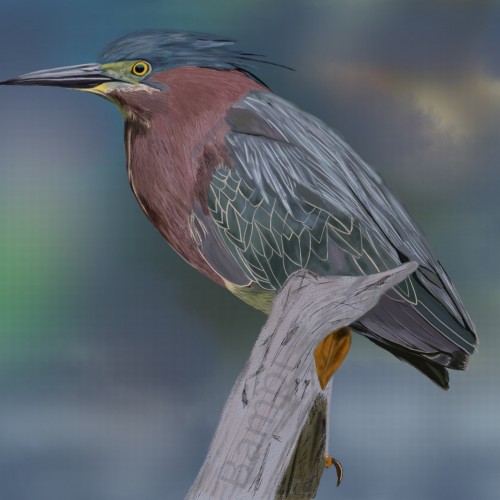
The Green Heron is one of the world’s few tool-using bird species. It often creates fishing lures with bread crusts, insects, and feathers, dropping them on the surface of the water to entice small fish.
Green Herons usually hunt by wading in shallow water, but occasionally they dive for deep-water prey and need to swim back to shore—probably with help from the webs between their middle and outer toes.
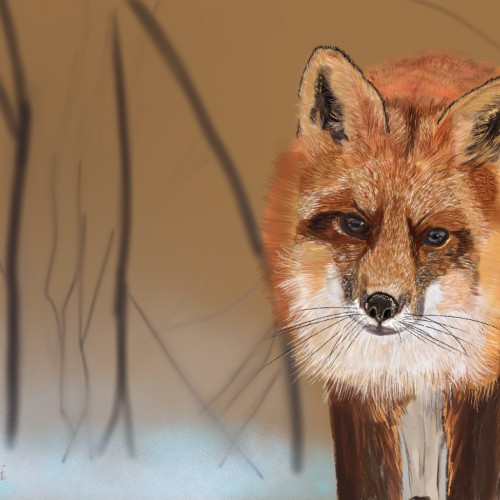
**Are Red Foxes Endangered?**
Currently, red foxes do not have such a status. The IUCN claims that the mammals’ population is stable and does not consider red foxes to be endangered. In fact, they also say that their highest population density is in the UK. Up to 30 red foxes per square 0.5km can exist. However, in the UK the red fox population has fallen by about 41% from 1995 until 2017.
There are several large threats to the red fox population, mainly habitat losses and fragmentations, plus exploitation and hunting. Habitat loss is the most serious of them all. Luckily for the species, they are very adaptable and can live in different conditions, which is also one of the reasons foxes have been regular visitors to urbanised areas and people’s yards. They come to look for food, which their natural habitat offers less of.
In the UK, there are some strict rules about dealing with foxes on your property and you can get a serious fine or even get jailed if you do not follow them.
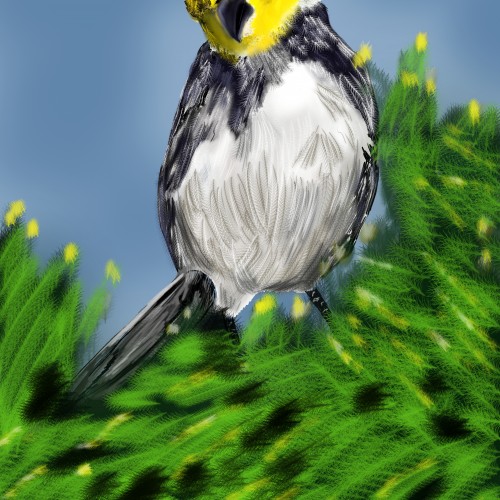
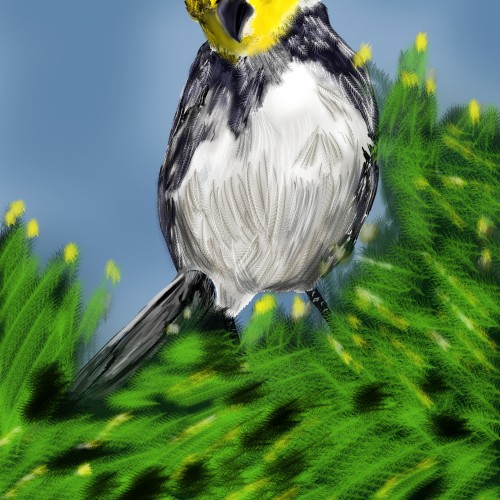
**ENDANGERED SPECIES** This small bird the Golden Cheeked Warbler #goldencheekedwarbler #endangeredspecies also known as the #GoldFinchofTexas lives and breeds in Central Texas particularly somewhere around the Edwards Plateau, Lampasas Cut Plain and Central Mineral Region. The main reason of the threat and decrease of this small bird’s population is mainly because of ranching, agriculture and land development. At present, there is no known record of the number of Golden Cheeked Warblers remaining.
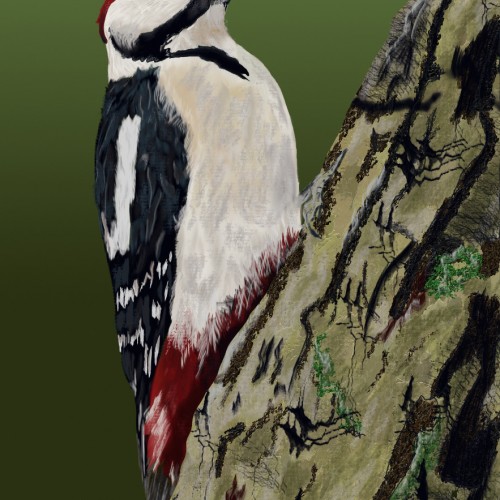
The Lesser Spotted Woodpecker is the smallest and least common of the UK's three species of woodpecker. It is most often found in the tops of trees where it creeps along branches in search of insects. Found in England, but rare in the north. Absent from Scotland and Ireland. Its 'drumming' is much quieter and less vigorous than that of the Great Spotted Woodpecker; its presence is often only given away by this or their call.
The lesser spotted woodpecker is small in size, being not much bigger than a house sparrow. Males are black and white, with a red crown cap, and females are plain black and white. They both have a distinctive white ladder marking down their black back.
**Did you know?**
There are now believed to be less than 3,000 pairs breeding annually in the UK compared to nearly 45,000 greater spotted woodpeckers.
**ENDANGERED SPECIES** This small bird the Golden Cheeked Warbler #goldencheekedwarbler #endangeredspecies also known as the #GoldFinchofTexas lives and breeds in Central Texas particularly somewhere around the Edwards Plateau, Lampasas Cut Plain and Central Mineral Region. The main reason of the threat and decrease of this small bird’s population is mainly because of ranching, agriculture and land development. At present, there is no known record of the number of Golden Cheeked Warblers remaining.
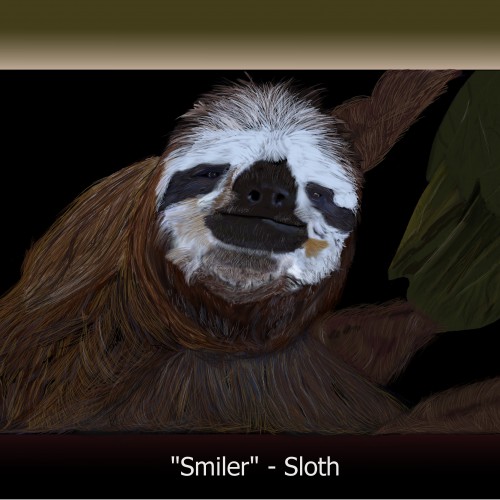
Sloths have an unusual method of camouflage. Cracks in their hair allow many different species of algae and fungi to grow which makes them appear green. Some species of fungi living in sloth fur have been found to be active against certain strains of bacteria, cancer and parasites! Sloth hair also provides home to an entire ecosystem of invertebrates — some species of which are found nowhere else on earth (like the ‘sloth moth’). A single sloth can host up to 950 moths and beetles within its fur at once. https://slothconservation.org/10-incredible-facts-about-the-sloth/
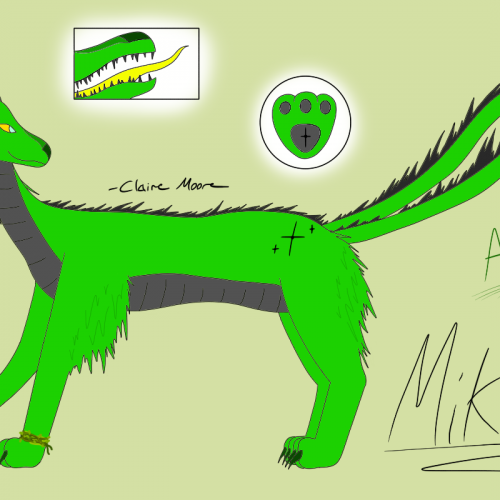
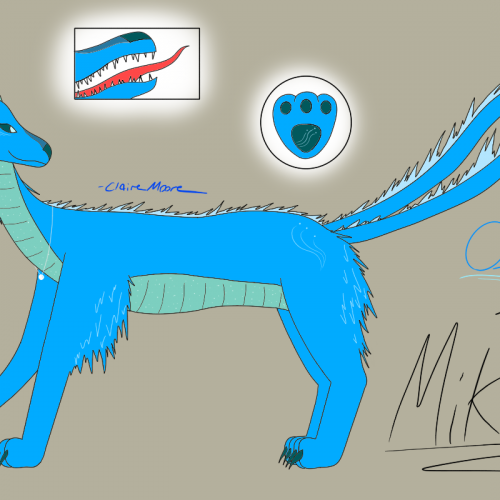
This is another base coloring of my Mikisu species. This particular color scheme was requested by a fellow doodle addict. Thank you for your suggestion and I hope you like it. ((Coping or claiming my species as one's own is not allowed.))
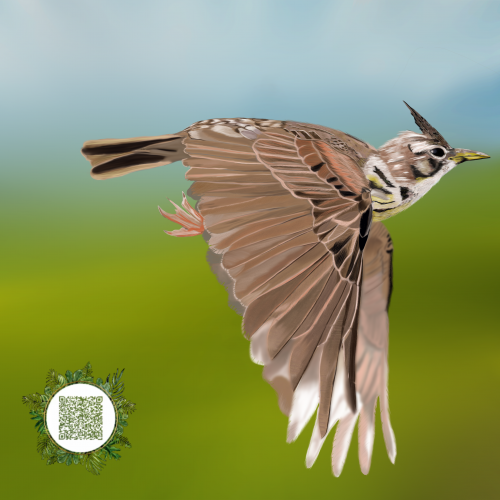
I just finished the Calandra Lark. Here are some facts about this beautiful bird...
Appearance: It's a large lark, about 17.5-20 cm long, with a robust build, a heavy bill, and noticeable pale eyebrows
. Its plumage is mainly greyish-brown streaked above and white below, with large black patches on the breast sides.
Habitat: This species is found in open plains, steppes, pastures, and dry cereal cultivations. It's mainly resident in the west of its range but Russian populations migrate further south in winter.
Diet: Their main food source is seeds, but they also consume insects when nesting.
Behaviour: Calandra Larks are known to be gregarious outside the breeding season, often forming large flocks.
Song: Their song is considered musical and slower than the Skylark's. It has been historically popular as a cagebird.
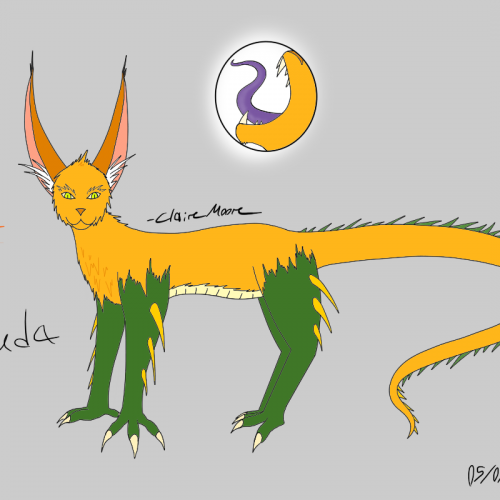
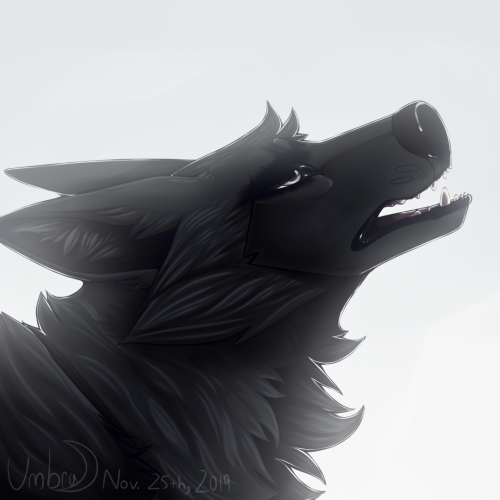
This is a digital drawing of another species I designed. Please do not use or claim the species as your own. I took great care creating this creature and I love it to bits. I made a base for this creature too, so if anyone has any color suggestions, I would love to hear them. Just drop a comment. Thanks so much and have a great day.
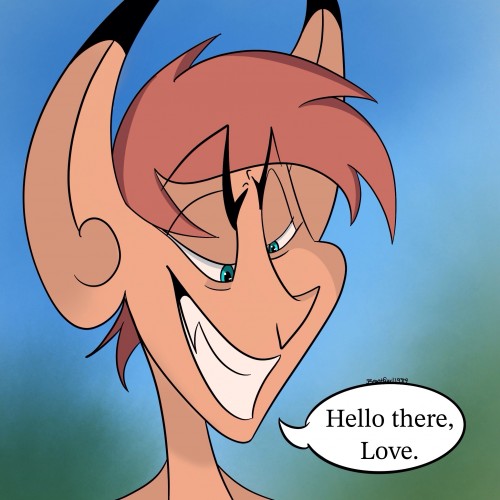
Ladies and Gents, I present....Slater! My newest character that I brought back to life. Although this was not his original design, but I think I dig it. Slater is an alien species (species not identified yet) so therefore hence why his ears look like that. Slater is charismatic, sly, generally laid back but unfortunately a womanizer. But there is one....one who is constantly rejecting him and keeping him at arms length. She will be introduced at a later time, I'm still working on her design. I have so many plans for this guy.
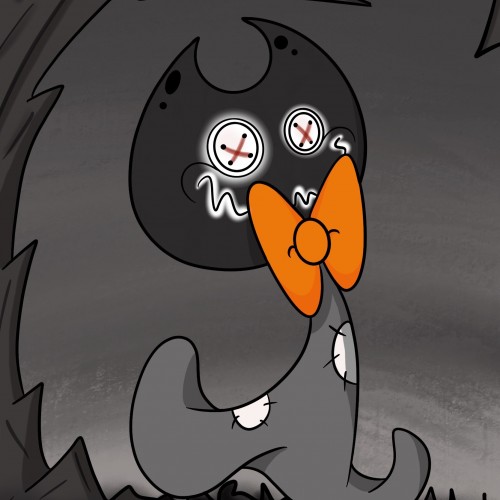
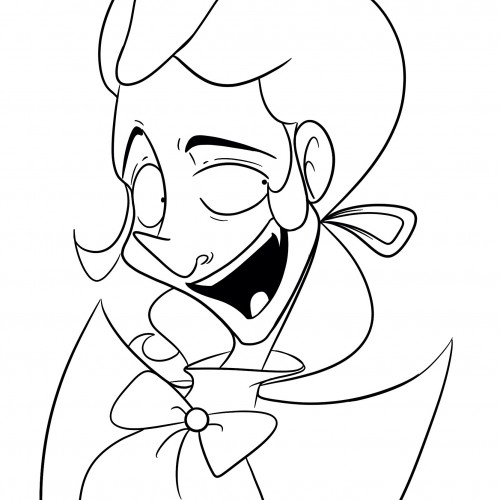
This is a new character I have created, his name is Creep Face.
Species: Spirit
Personality: Prankster
Home: Mausoleum
Likes: Wanders Cemeteries, Pumpkin, Hot Chocolate and scaring Scribble
Dislikes: The Sun (Its too optimistic & bright!)
This is a digital drawing of a species I came up with. This is also my first attempt of making a base. I'm very pleased with how it turned out and I plan to only get better. Please do not use or claim the species as your own. I worked hard and all things I create are cherished and made with lots of care. Because I have a base, I'm open to color ideas. Please comment if there are any colors you would like to see on my Mikisu. Thank you!
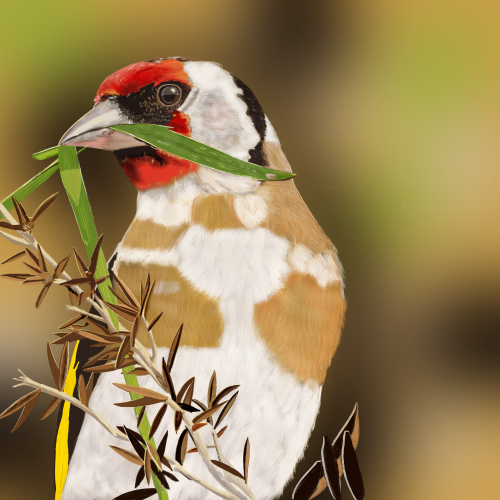
The European Goldfinch is a striking small finch with a distinctive red face and black-and-white head. Its wings are black with a bright yellow wing bar, while the body is mainly buff or light brown.
During the breeding season, the bill of male and female goldfinches is white, but at other times of the year, it is marked with a black tip.
Female goldfinches are very alike in appearance to males, and visually, it is hard to tell them apart from a distance. At close range, the sexes can be distinguished by the size of the red facial patch, with the females not extending past the eyes as it does in males of the species.
Juvenile goldfinches do not develop adults' red, white and black facial markings until the late summer or autumn after hatching. Until this point, they have streaky buff-brown markings on their heads. Info: Birdfact . com
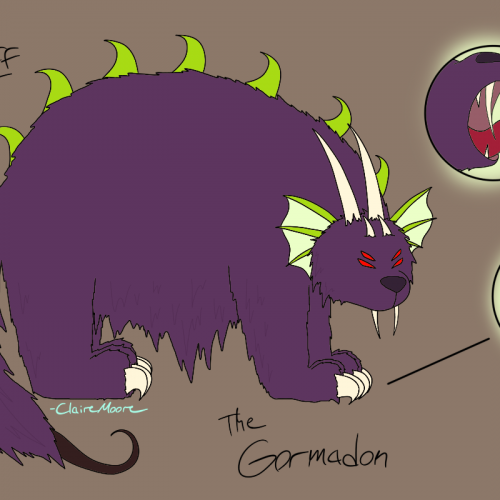
Claire here with another species I designed! This is a digital drawing of what I call a Gormadon. It's likeness is most like a bear, but it has spikes and frills kind of like a dragon or dinosaur. I imagine this species to be quite big if it were real. Perhaps about the size of an adult elephant. Thanks for checking it out and please drop a like if you liked it. *Please do not copy or claim this species as your own. It is not allowed in any circumstance*
A new character for my Scribble universe. Species:Cucurbits
Home: Gardens
Likes: Plants, veggies, night time, he thinks the moon is friendly
Dislikes: Fire, Ghoul (Ghoul is a big meanie)
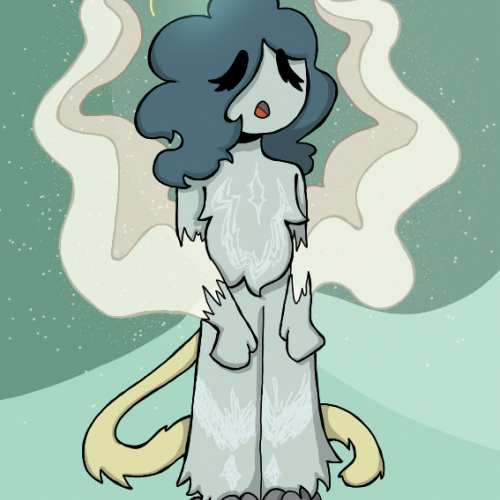
For some reason, I had to prove to myself that good art does indeed take time. Anyways, this is an angel character (they're not real angels, they're a fictional species of mine) in my "spacefluff" style. I think I want to name her Mosambi, because she's sweet.
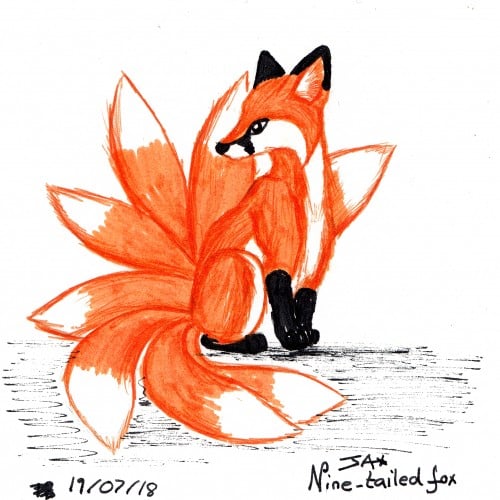
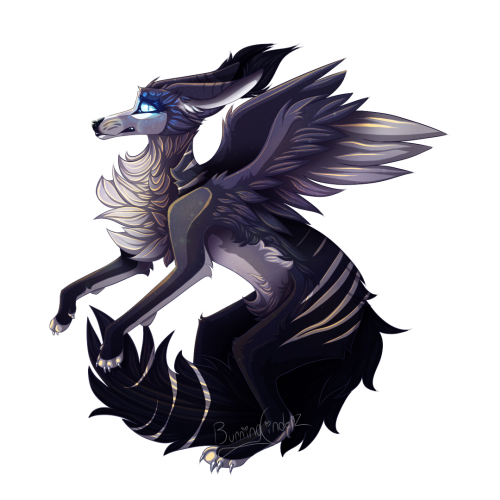
Hey, something that ISN'T a fox! ...Kinda. This is a fox-like canine with wings, not sure what to exactly call their species yet. I'm pretty proud of her design. c:
Drawn with Clip Studio Paint and XP-Pen Artist 15.6 Pro pen display tablet.
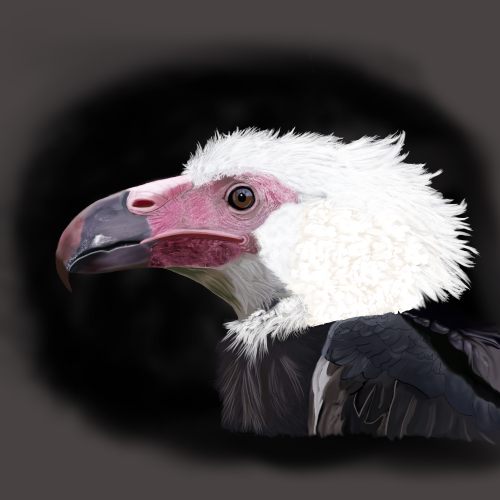
Critically Endangered The White-headed Vulture has undergone catastrophic declines in population number, with an estimate median decline in 96% over three generations (45 years)
This decline has been seen in its very large range from West Africa, across to southern Africa also. Reductions in populations of medium-sized mammals and wild ungulates, as well as habitat conversion throughout its range best explain the current decline. Additional threats include indirect poisoning at baits set to kill jackals in small-stock farming areas. This species is also recorded in trade in West and Central Africa as this species is used for both traditional medicines and also they are intentionally killed for use in witchcraft. This species is part of the Accipitridae bird family, which diverged from all other species of bird 49.6 million years ago during the Paleogene period. Vultures split from the other genera in this family 12.7 million years ago. This species is highly sensitive to land-use and is concentrated to protected areas. Individuals were marked with patagial (wing) tags in Fouta Djallon vulture sanctuary to monitor movements and for a toxicological assessment of the vulture population of the park. Additional studies to monitor the movements of individuals within and between protected areas in underway is South Africa. Info: Edgeofexistence . org #birdlife #birds #birddrawing #birdsketch #whiteheadedvulture #vultures #bampidraws