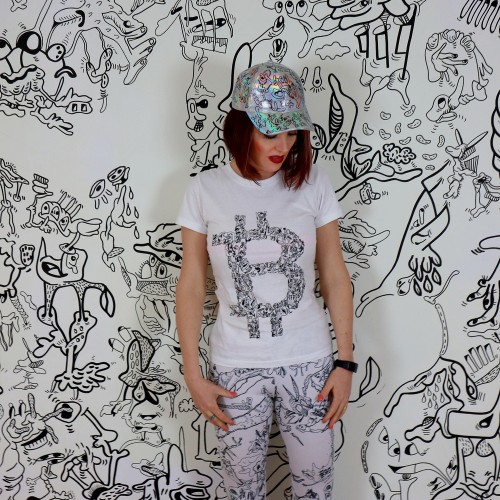
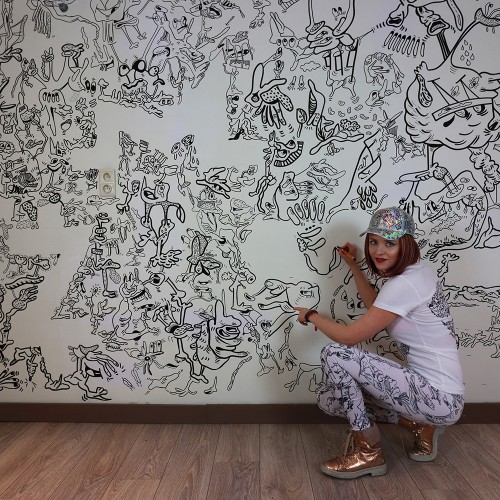
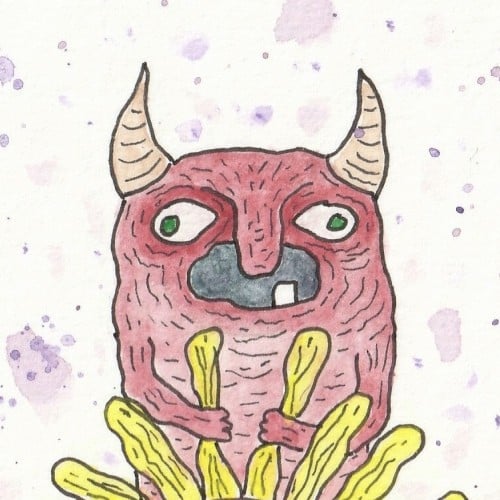
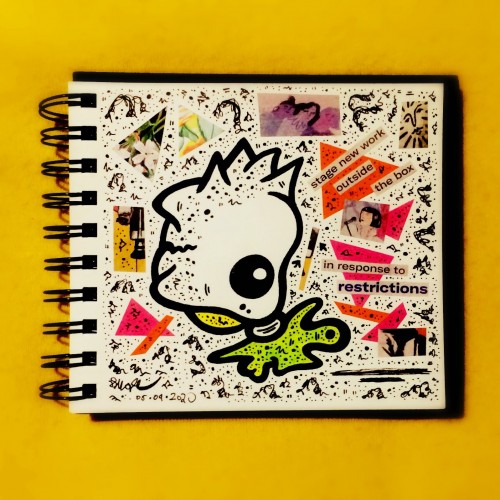
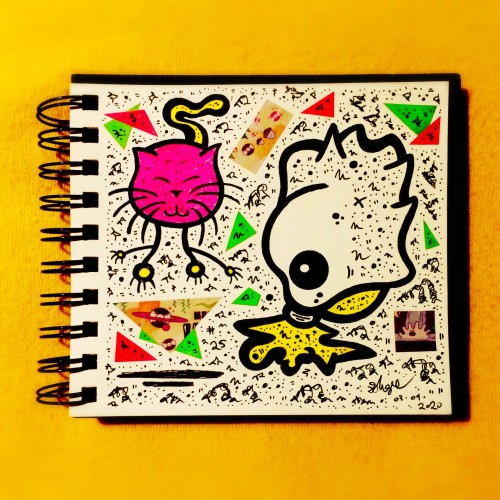
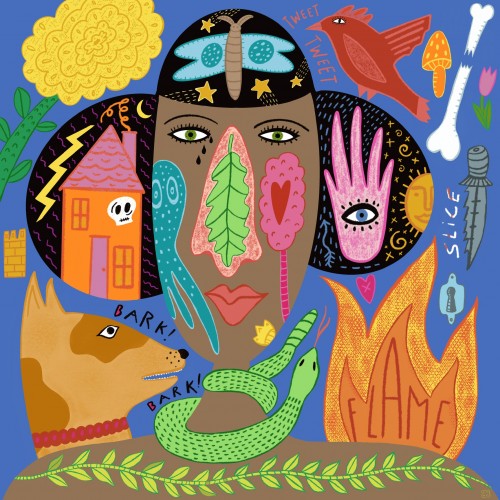
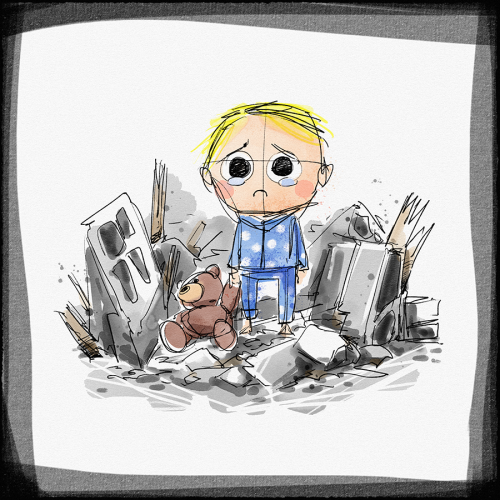
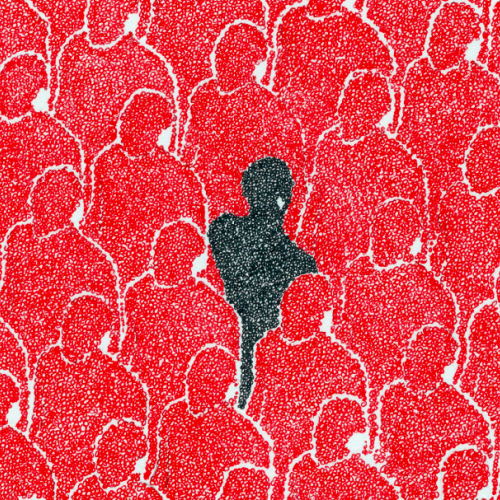
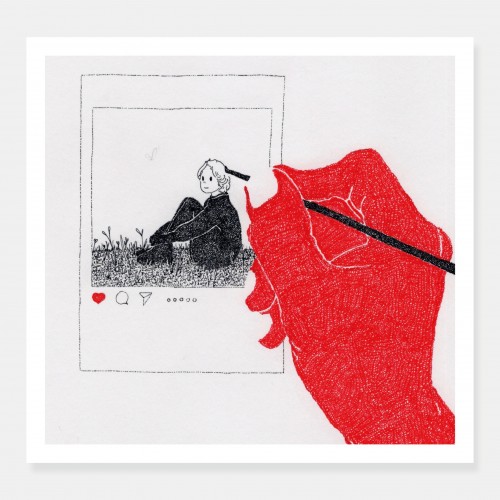
Jook’s doodle colouring books are a collection of true gems. Her anthropomorphic and surreal scenes depict a plethora of creatures, spanning from cute and innocent-looking to downright bizarre and monster-like. Flip through the pages, get colouring and get inspired. Join Jook’s world. Colouring books for ages 7 to 77.
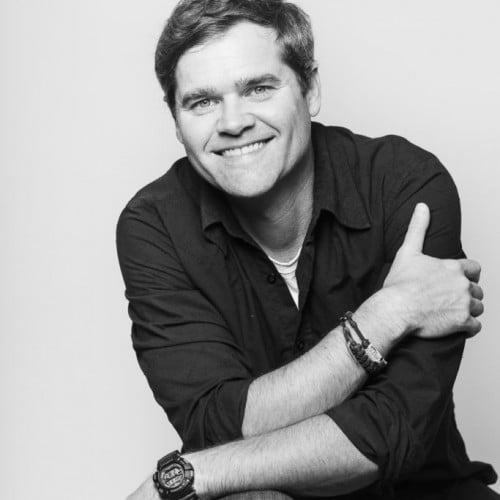
I am a Belgian female artist & illustrator and I use a self-invented technique of automatic drawing to delve into my subconscious. I doodle everywhere and every spare moment. By quickly drawing, barring any conscious thought, I am giving as much room as possible to my imagination. Through extensive, at times even compulsive, doodling, a new and totally unique world arises. Come visit, get inspired and maybe get lost in my subconscious. Join my world and my obsessive-compulsive drawings. More info: doodleart.shop | Facebook | instagram | youtube page of the book
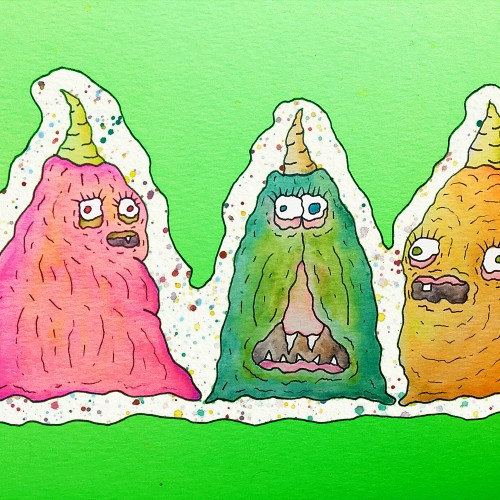
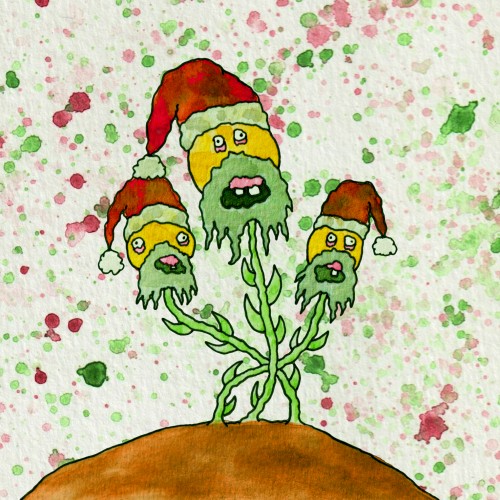
These are birthday creatures created in a lab to help celebrate. They come with a confetti aura and built in party horns. They are optimized for maximum fun, but frighten very easily.
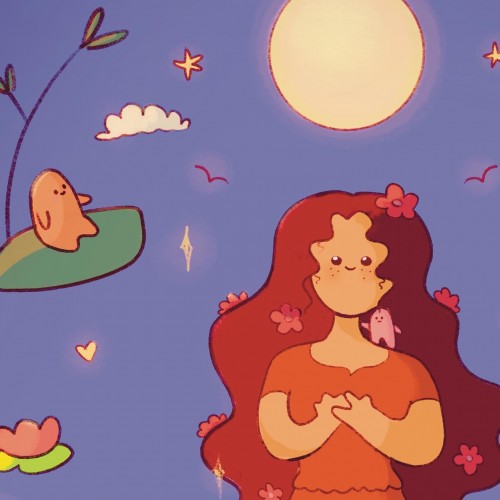
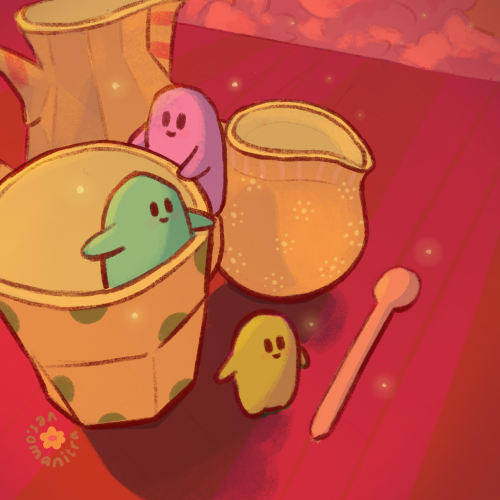
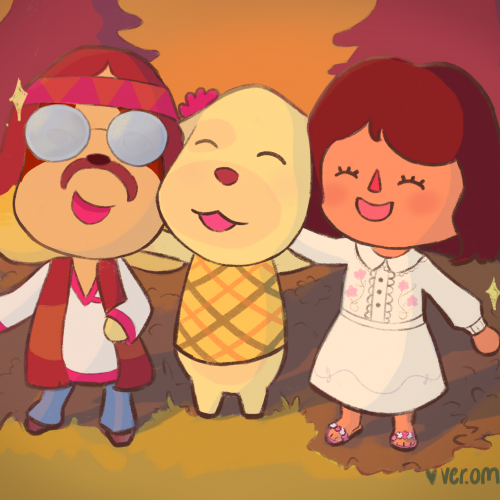
the little friends are realy curious. today they visited their friend lina. lina makes awesome lemonades, so they cant wait to try it. :) wish you an amazing friday!!:)
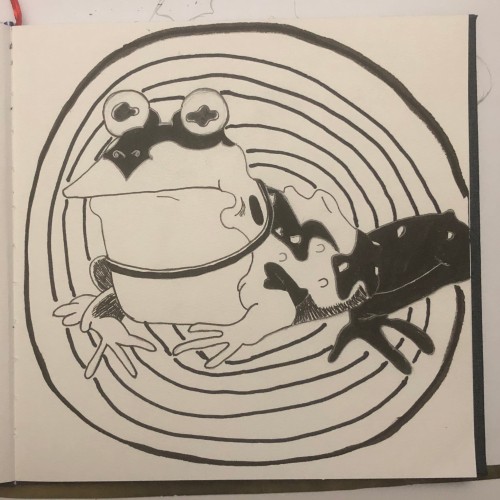
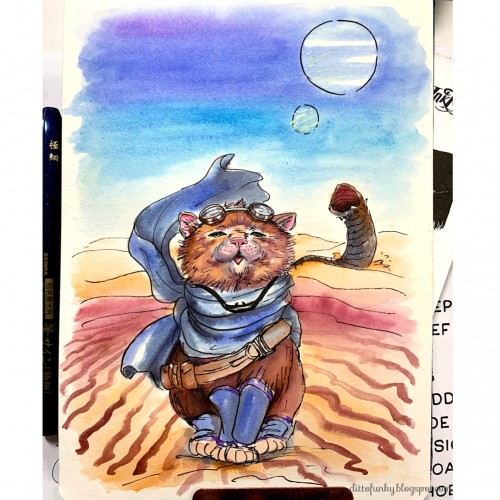
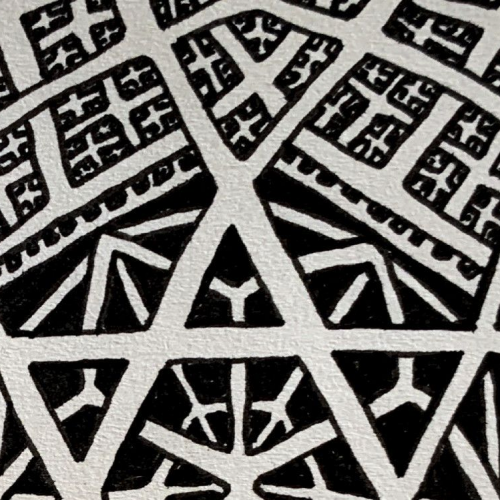
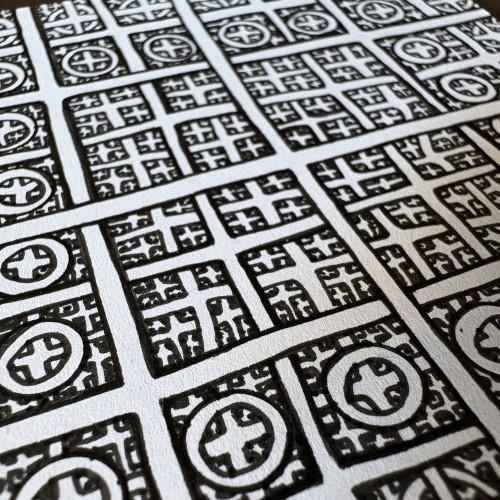
When the prompt word is 'dune' and I can only think of the movie! haha! Looking forward to the new movie coming out next year! First, need to read the book! Check out my IG @dittofunkysketch123 for up-to-date Inktober posts!
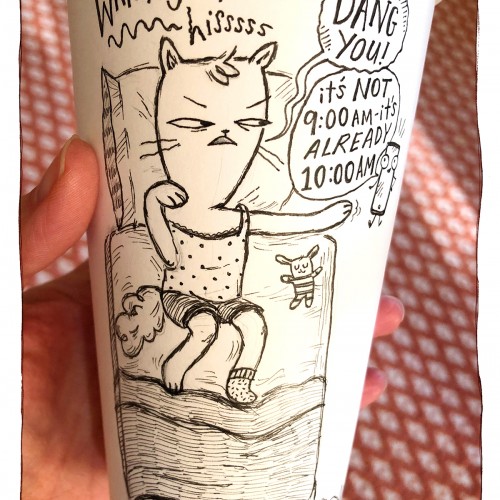
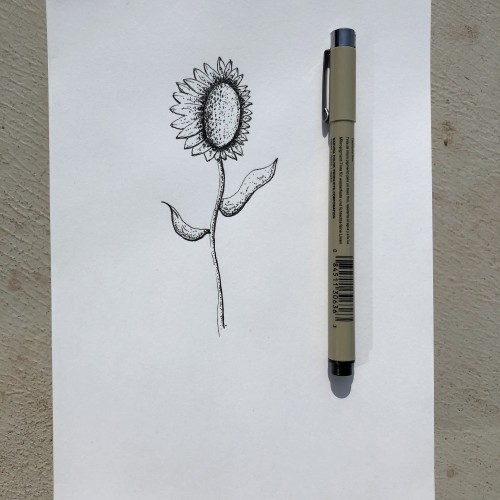
Here's my Coffee & Quotes Challenge... with the sleeve removed ;) I thought it would be fun to continue the doodle underneath the sleeve! To see submitted version, check out my 'Drawing Challenges'... this contest has been awesome, it combined 2 of my faves: DOODLES & COFFEE!
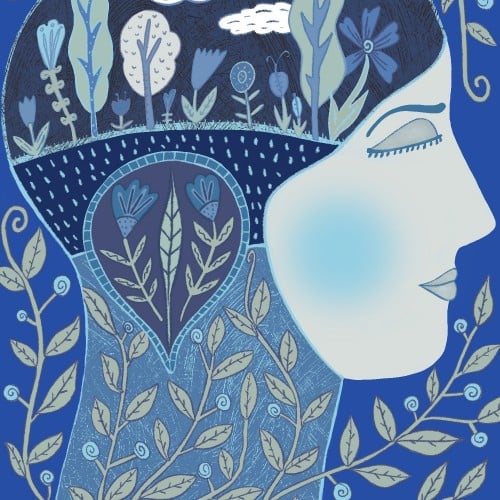
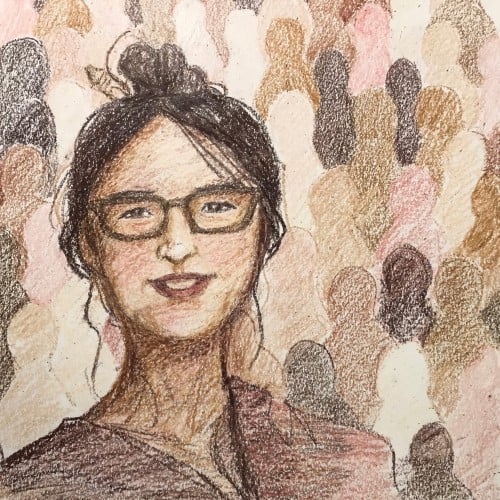
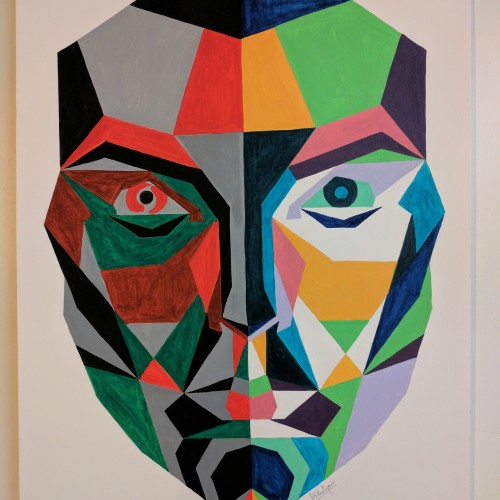
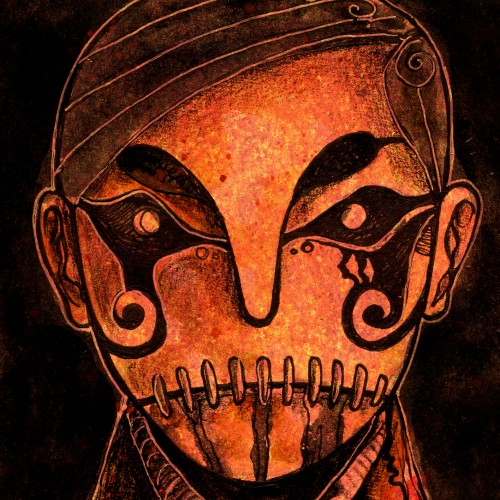
13 young, Indian adults, struggling with mental health issues, explained what colour represented her/his fear and which represented hope/happiness. The left half of the face has all the colours associated with fear, while the right shows hope/happiness.
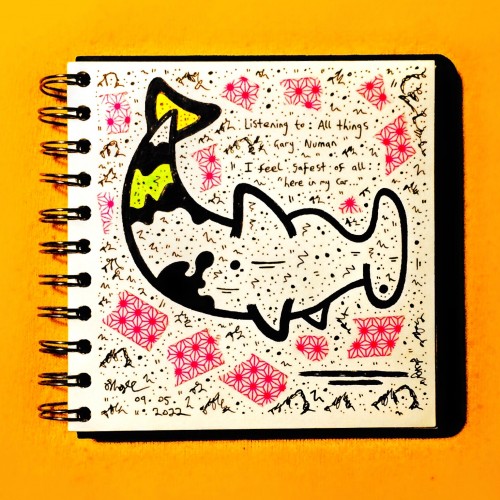
It totally bypassed my mind that last night I would be off to see Gary Numan with my uncle. The perks of having both an over-active work life and a social one too...
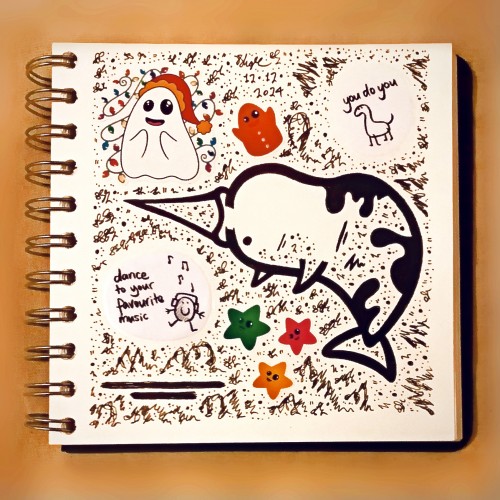
Last drawing of 2024 and looking forward to 2025!
Did you know 2025 is a rare, "square number year" since 45^2 == 2025. The last time this happened was in 1936 (i.e. 44 x 44 == 1936), and the next time it will happen will be 91 years from now in 2116 (i.e. 46 x 46 == 2116).
hello:) animal crossing pocket camp is just so much fun to play. It feels so relaxing and adventurous. when i played it again, after some time, it kind of felt nostalgic to look around the island and the friends there.:) so drawing this fanart felt so chill and fun. wish you an absolutly wonderful day! hihi